Study at ITI

A Catholic university where theology is studied from the sources, prayed in the liturgy, and lived in a real community — in the heart of Europe.

ITI Catholic University seal

Studied, prayed, lived.

ITI forms students in Catholic theology as a unified whole — through primary sources, a shared liturgical life, and a deeply personal academic community ordered to truth and mission. Here study is not separated from prayer, and prayer is not separated from life.

Why ITI

What makes ITI different.

Rooted in the Church. Founded by Pope St. John Paul II, ITI stands within the living tradition of the Catholic Church — faithful in doctrine and open to the full breadth of East and West. Its life and study are shaped by the Church's worship, teaching, and intellectual inheritance.

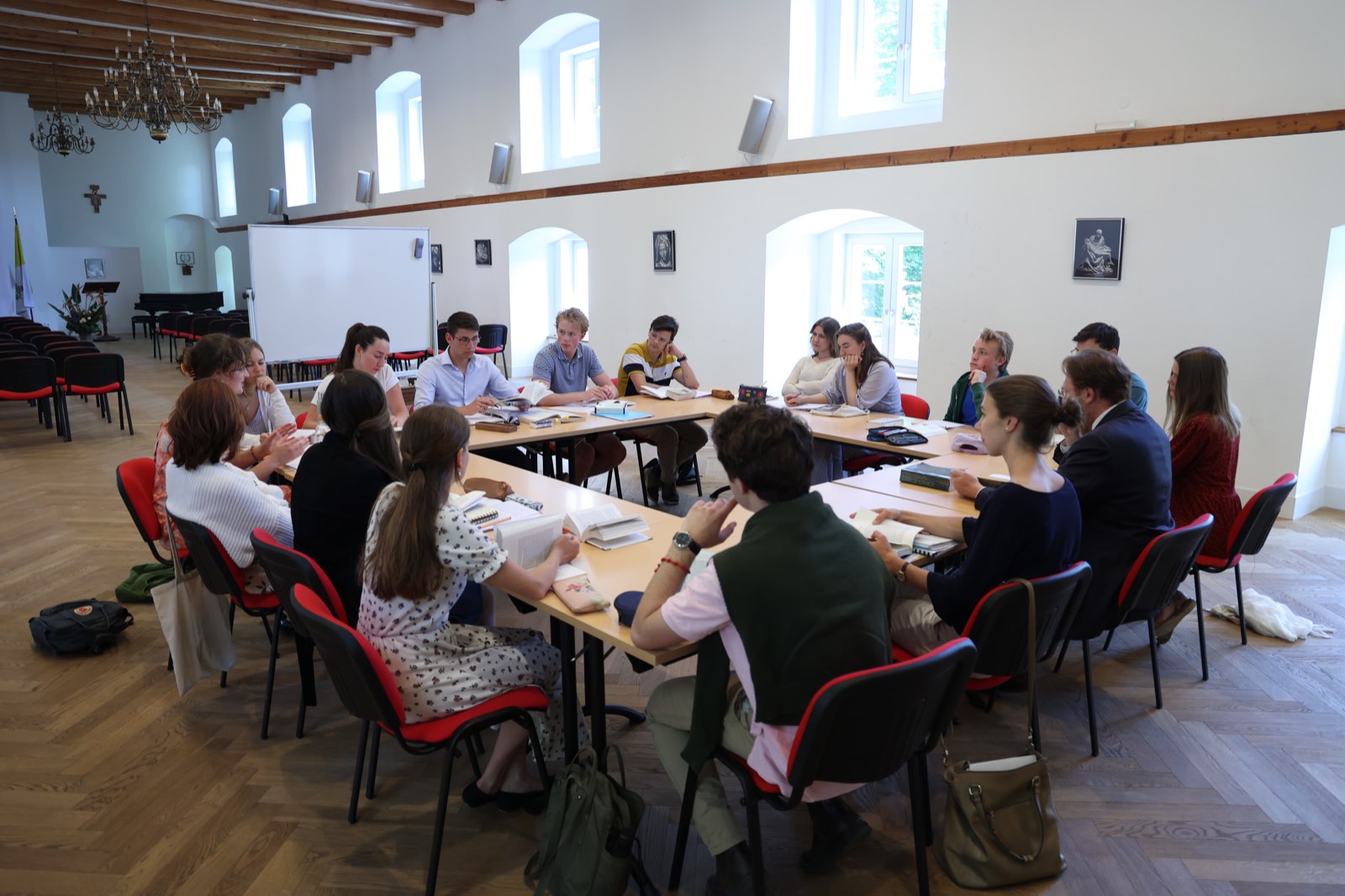
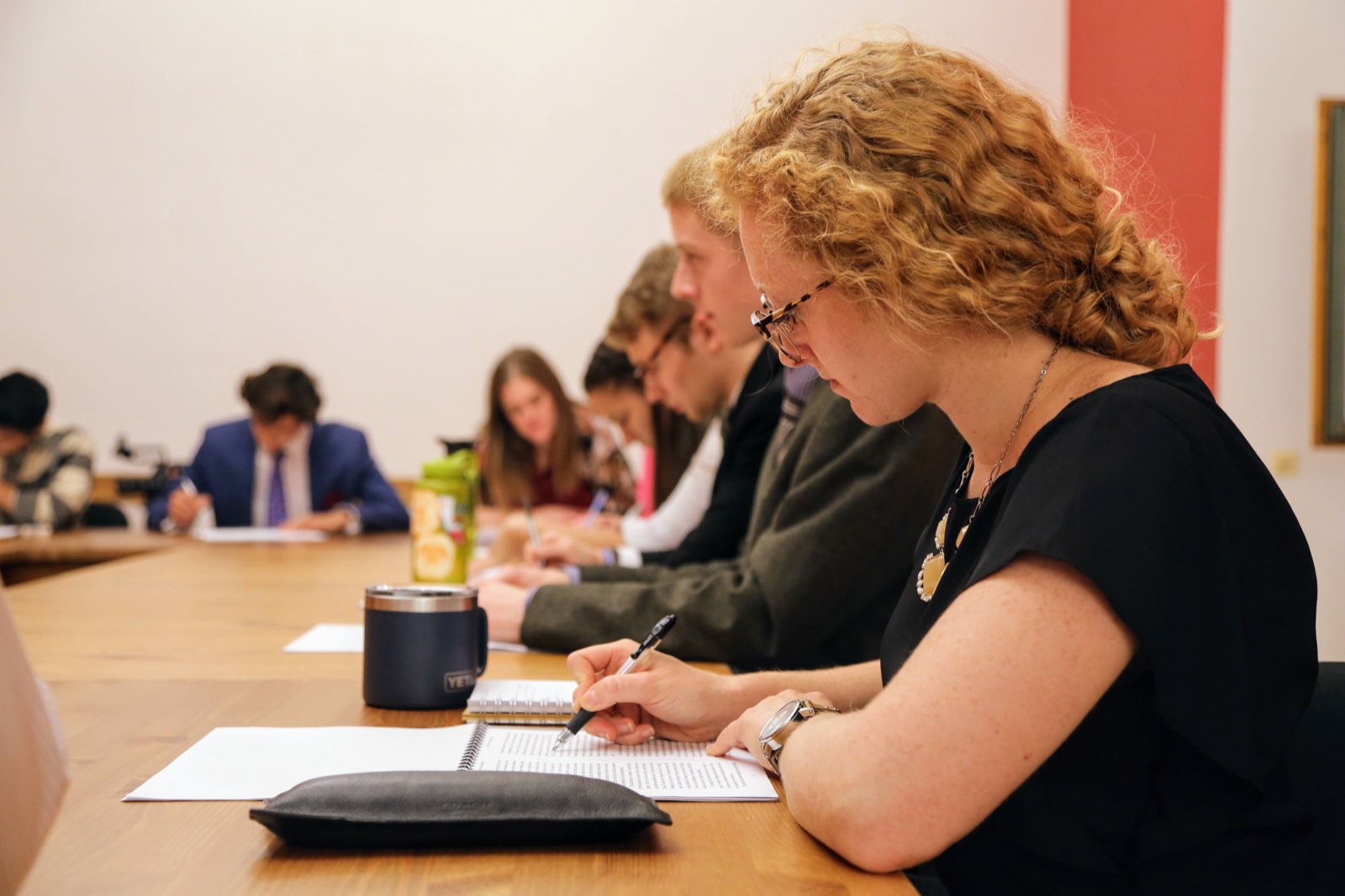
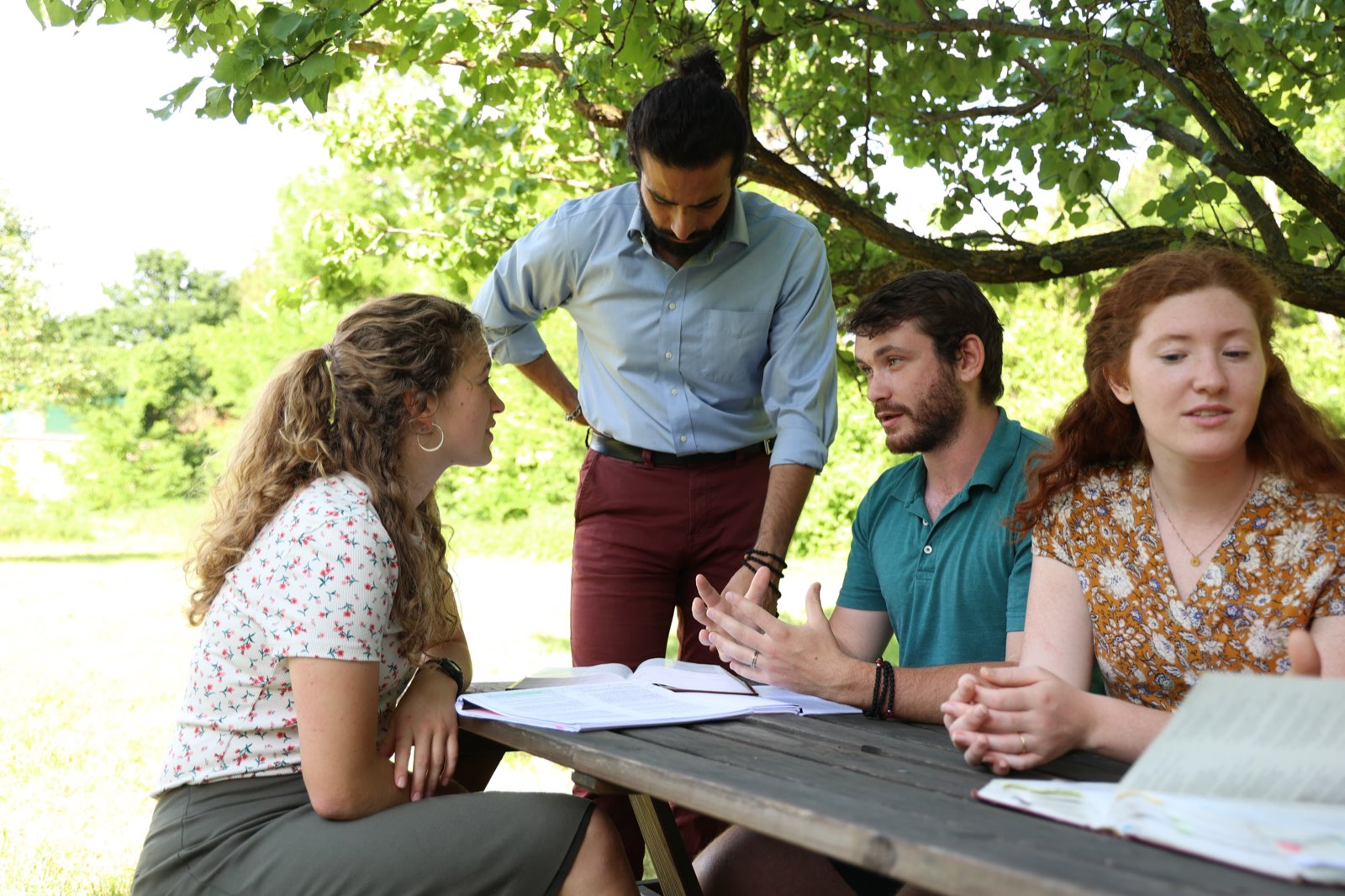
Learning in depth. Students do not only read about theology. They encounter Scripture, the Fathers, the Doctors of the Church, and St. Thomas directly, then bring what they have read into serious seminar conversation. Learning becomes active, personal, and demanding.

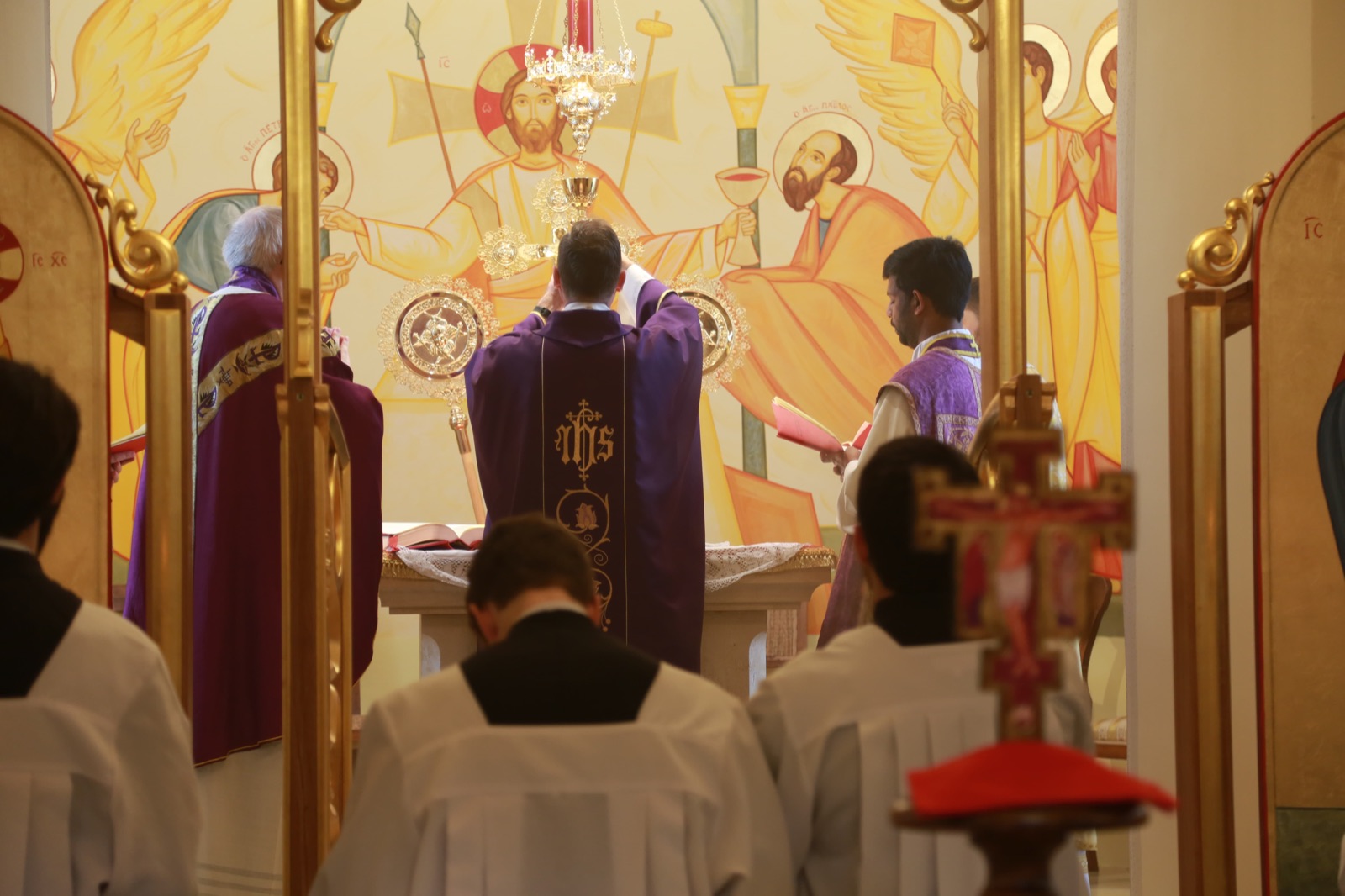
Lived in prayer. Roman Holy Mass, the Byzantine Divine Liturgy, sacramental life, and daily prayer are not additions to study. They form the rhythm of the day and teach students to receive theology as something prayed, not only discussed.

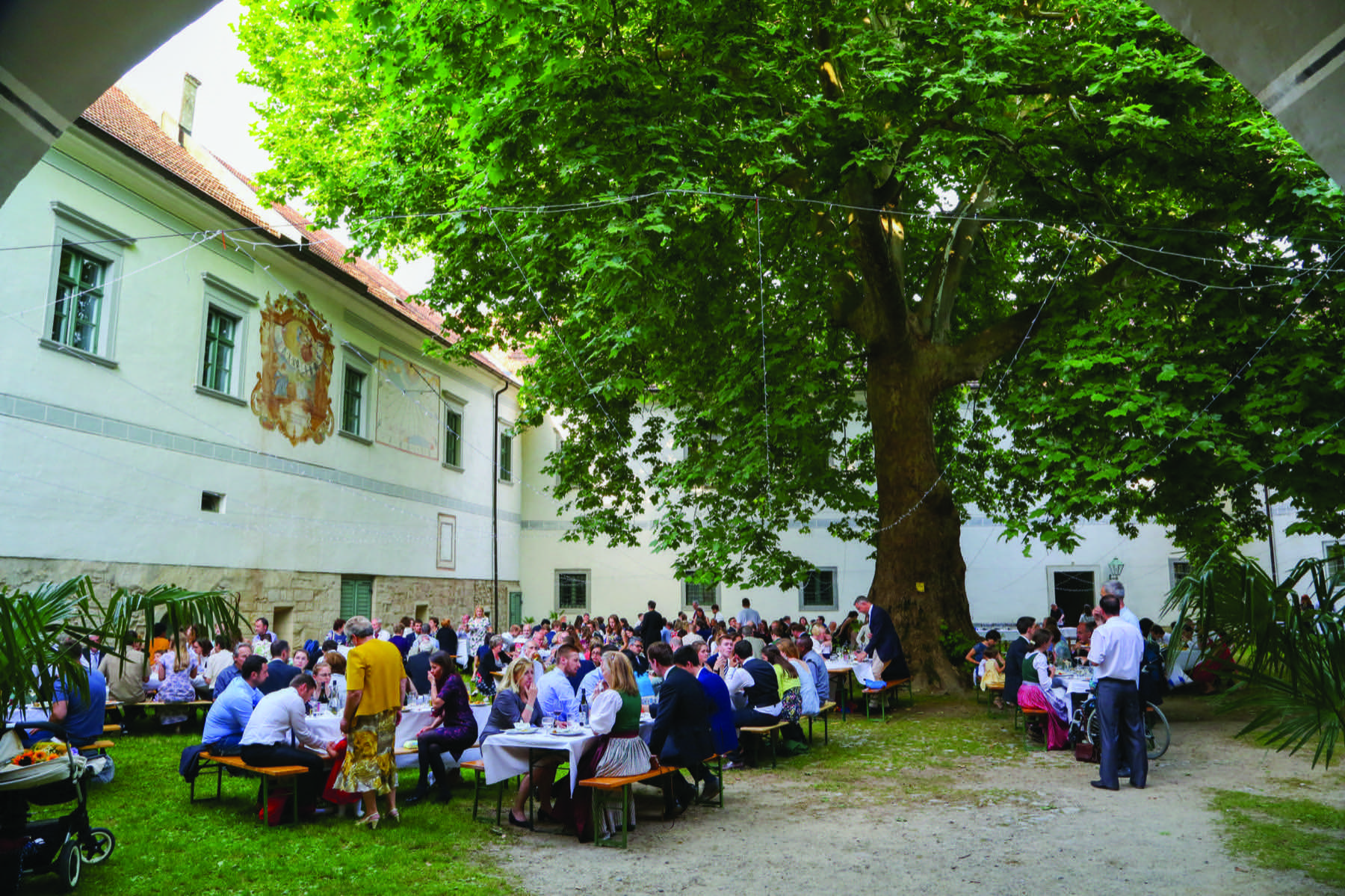
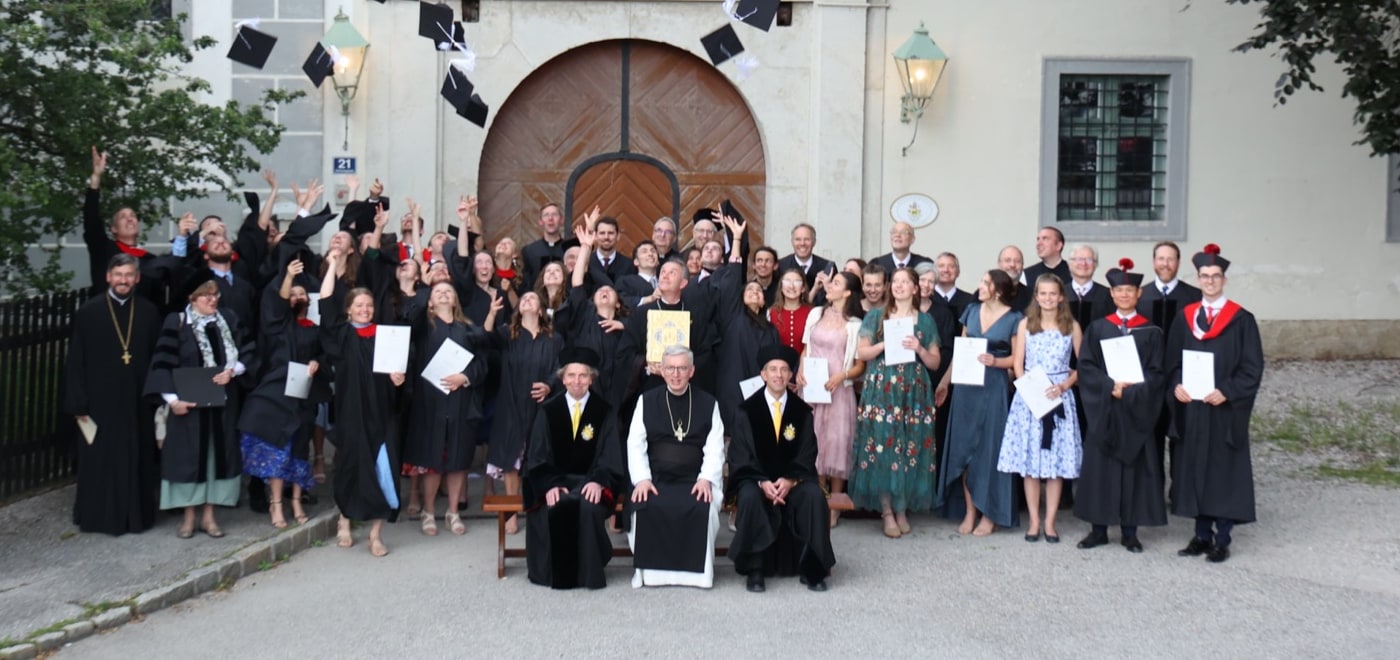
Shared in community. ITI is residential, international, and personal. Formation continues around tables, in friendship, family life, and ordinary campus days. Students are known by name and learn within a community that carries the life of faith together.

Study in Austria. In the heart of Europe, ITI offers an English-speaking Catholic education shaped by Austria's beauty, tradition, and closeness to Rome — for many international students, a more affordable way to study, pray, and live in a truly Catholic community.

Academic Quality

A pontifical faculty, recognized in Rome and in Austria.

ITI is a pontifical institution: its degrees and its ecclesiastical faculty are accredited by the Holy See through the Dicastery for Culture and Education, as one of around seventy ecclesiastical institutions of higher education incorporated by the Holy See worldwide. Its degrees are additionally recognized by the State of Austria.

Teaching is done in small seminars, reading primary sources directly rather than textbooks about them. Latin and Greek, philosophy, Scripture, the Fathers, and St. Thomas are studied as one connected whole, so that theology is received as wisdom and not only as information.

Recognition at a glance

  • Founded By Pope St. John Paul II, in the living tradition of the Catholic Church
  • Holy See Accredited by the Dicastery for Culture and Education; a pontifical ecclesiastical faculty
  • Austria Degrees recognized by the State of Austria; the theology degree is recognized as the Magister theologiae
  • Language All programs taught in English
  • Method Small seminars, primary sources, close reading and discussion
  • Recognized by The Newman Guide and the National Catholic Register's Catholic Identity College Guide; member of the University Conference of Lower Austria

Programs

One path, from first year to doctorate.

One liberal arts program, three theology programs, one program in marriage and the family, and a one-year Studium Generale. Together they form a single path from a first encounter with the great texts to advanced theological research.

Studium Generale (SG)

One year of Catholic liberal arts formation in small great-books seminars, with the option to continue into the Bachelor.

View program

Bachelor in Catholic Liberal Arts (BA)

A three-year great-books degree that forms the mind, faith, and whole person toward wisdom and virtue.

View program

Baccalaureate in Sacred Theology (STB)

A five-year pontifical first-cycle degree, recognized in Austria as the Magister theologiae.

View program

Master in Marriage and Family (MMF)

A two-year graduate program in the Catholic understanding of marriage and the family — academic, practical, and spiritual.

View program

Licentiate in Sacred Theology (STL)

A two-year pontifical second-cycle degree with a supervised thesis and public defense, forming researchers and teachers.

View program

Doctorate in Sacred Theology (STD)

The pontifical third cycle: a research doctorate culminating in an original dissertation and its public defense.

View program

Catholic Formation

The whole person is the subject of education.

At ITI, faith and reason are not rivals. Theology is studied in fidelity to the Church's doctrine and in freedom to ask real questions, so that the intellect is formed together with the heart. “The truth will set you free” (John 8:32) is not a slogan here but the shape of a whole way of life.

Study is joined to sacramental life, shared prayer, meals, friendship, and the daily discipline of community. Students are formed not only as scholars but as men and women prepared for vocation, marriage, family, service, and mission in the Church and the world.

Liturgical Life

Theology received on its knees.

ITI breathes with the two lungs of the Church. The Roman Holy Mass and the Byzantine Catholic Divine Liturgy are celebrated on campus every day, and the sacraments are close at hand.

  • Roman and Byzantine liturgies are celebrated daily in the campus chapel.
  • Confession, adoration, and daily prayer are part of the ordinary week.
  • Students of both Eastern and Western traditions worship as one community.
  • The rhythm of the liturgical year shapes study, feasts, and common life.
  • Prayer and study belong together, so that what is learned is also prayed.

Campus Life

A castle, a community, a home.

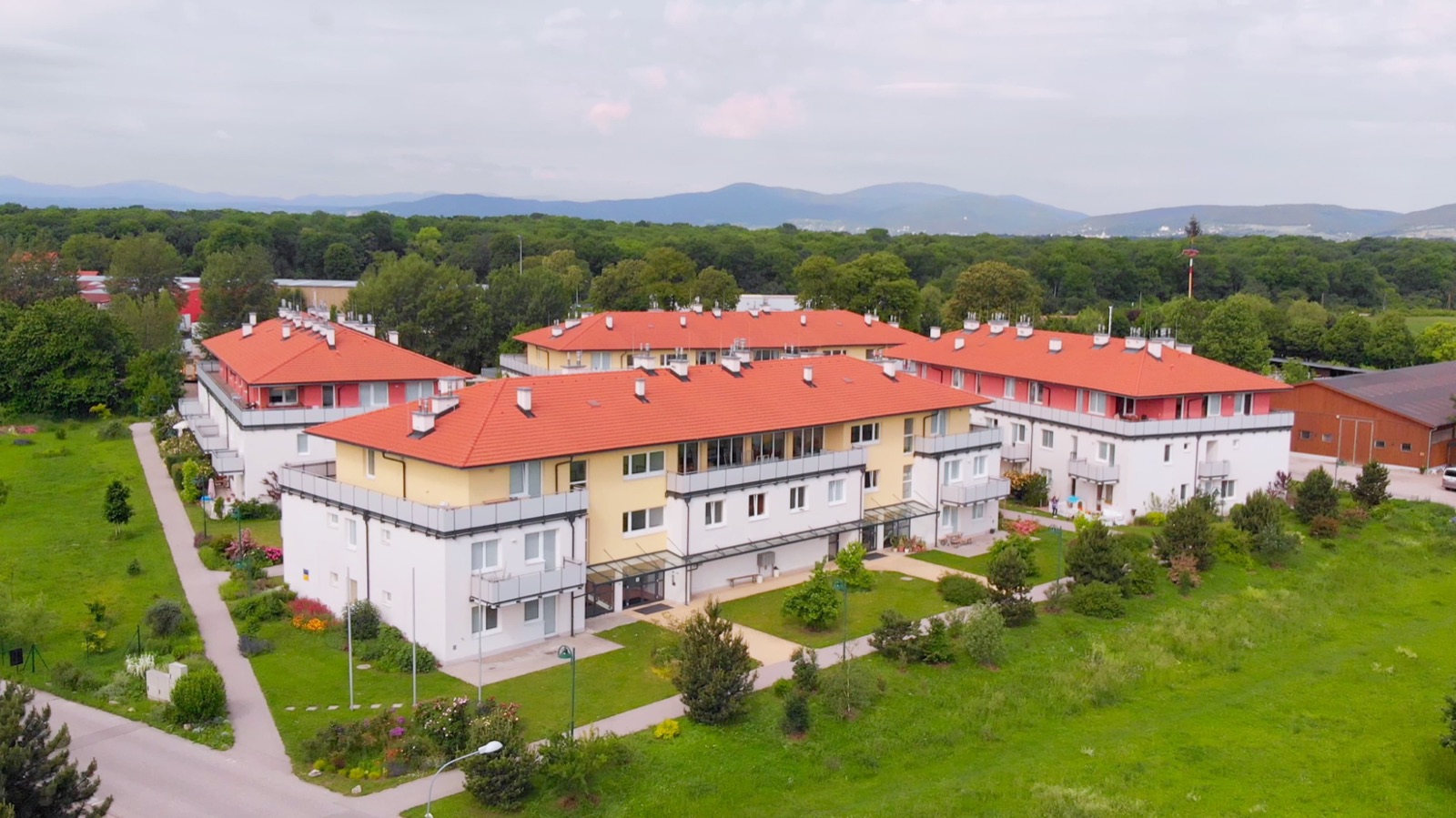
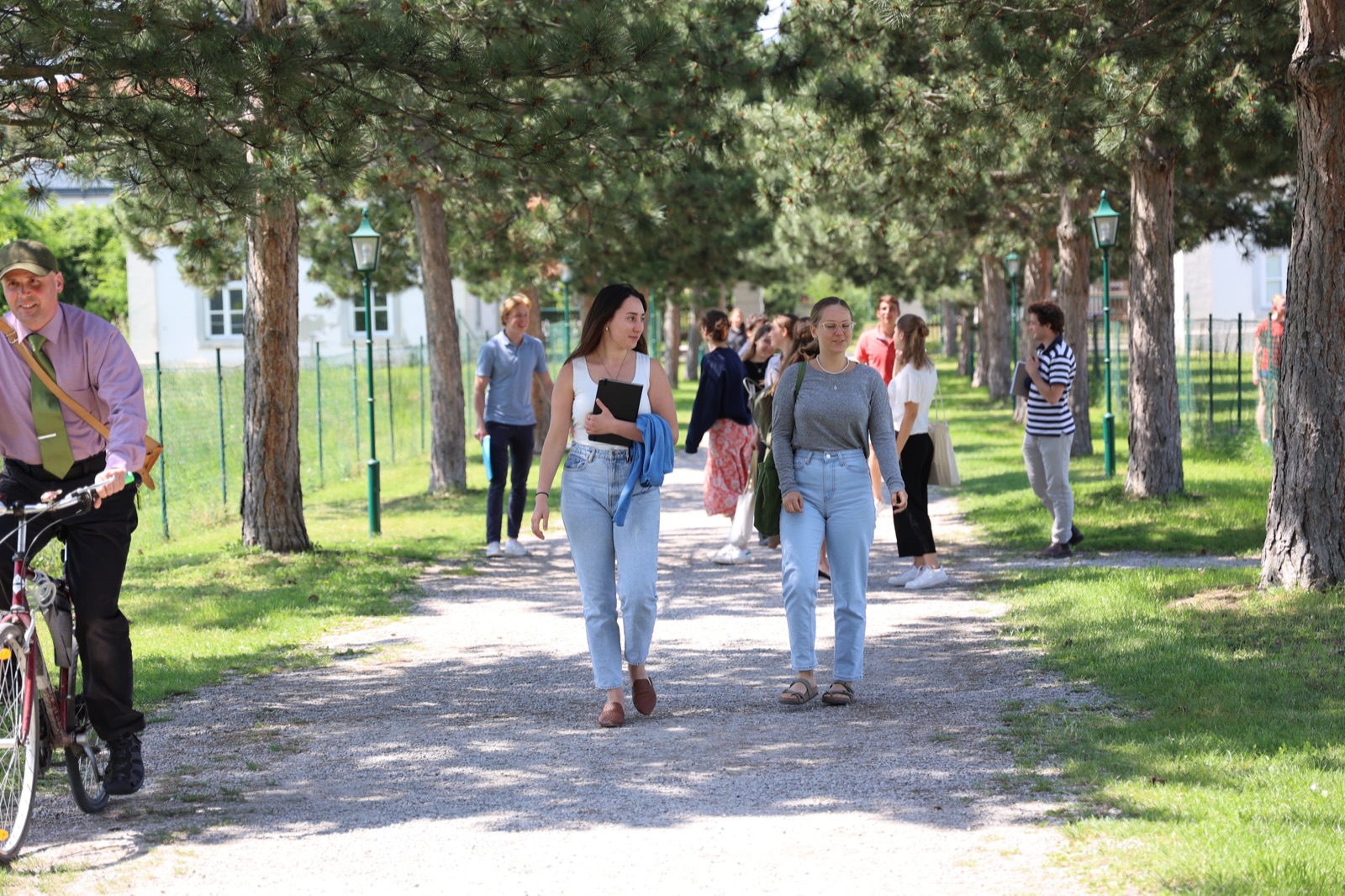
ITI lives in Schloss Trumau, a castle in the small Austrian town of Trumau, within walking distance of the parish, the shops, and the train to Vienna. Life is residential and international: students, single and married, come from many countries, cultures, and rites, and it is the shared faith that gives the community its unity.

Room for students and families. Single and married students live in separate residences on the campus complex, with shared kitchens where people gather to cook, eat, and spend time together; families and children are part of daily life.

An international community. Students from across the world study side by side. Cultural evenings, feasts, walks, and shared work turn a student body into a genuine community where each person is known by name.

In the heart of Europe. Vienna and its churches, libraries, and music are close by, and Austria's beauty and closeness to Rome are part of the formation. For many international students, ITI is also a more affordable way to study in Europe.

What Comes After ITI

A formation that keeps bearing fruit.

An ITI education is not narrow job training. It gives a coherent intellectual and spiritual foundation and forms habits of reading, judgment, speech, and responsibility that remain fruitful for the whole of life.

Continue in theology. The programs form one path — from the Studium Generale and the Bachelor into the pontifical STB, and on to the Licentiate and Doctorate for those called to research and teaching.

Teach and communicate. Graduates work in schools, catechesis, publishing, writing, and wherever clear speech, serious reading, and careful judgment matter.

Serve the Church and the world. Alumni carry this formation into ministry, marriage and family life, cultural and nonprofit work, public witness, and roles of responsibility in the Church and society.

Discern a vocation. Residential Catholic life gives students the time and space to see how study, prayer, friendship, and mission belong together, and to become free for what God asks.

Tuition and Financial Aid

An education made possible.

Yearly cost estimate

Tuition 12 000 €

Regular tuition is 25 000 €. Every accepted student automatically receives the Standard ITI Scholarship, which brings tuition to 12 000 € per academic year. Tuition for the Studium Generale is 12 500 €.

  • Registration 300 € per academic year
  • Housing From 3 000 € for a single room; family apartments from 5 850 € per academic year
  • Living costs Personal expenses are typically around 4 700 € per year, depending on lifestyle

Financial aid

  • Standard ITI scholarship: every accepted student receives it, reducing annual tuition from 25 000 € to 12 000 €.
  • Need- and merit-based aid: further scholarships are available each year for European and STL 1 / STB 4 students, reducing tuition by 6 000 to 11 000 €.
  • 50% reduction for a spouse: when both spouses study at ITI, the second may receive a 50 percent tuition reduction.
  • Room stipends and loans: room stipends tied to service on campus, and US private loans through Sallie Mae, are available in particular cases.

A shared life

All students contribute two hours of service each week for the upkeep of chapel, living areas, and common spaces. It is part of the shared life of the university, not an optional extra — and part of what keeps ITI affordable.

Requirements & Application

Everything you need to apply.

The best order is simple: gather your documents, ask for recommendations early, complete the online application, and then follow through quickly on language or visa requirements if they apply to you. The regular deadline for all programs is July 1.

Your application checklist

Use this as a working list while you prepare your application.

  • Deadline The regular application deadline is July 1 for all programs. Do not wait until the last week to request transcripts or recommendations.
  • English All teaching is in English. If you have not completed at least two years in an English-speaking environment or at a school with English as the main language of instruction, prepare a standardized English test; the handbook lists TOEFL iBT 75 or equivalent.
  • Visa If you need a visa or residence permit, start early. ITI advises submitting residence-permit materials before March 1, since the process can take up to six months.

Contact

Talk to us, or come and see.

Visit ITI in Trumau

Come and see.

The best way to know whether ITI is your place is to come to Trumau, meet the community, step into the chapel, and see how study, prayer, and friendship belong together. If you are ready, begin your application today.